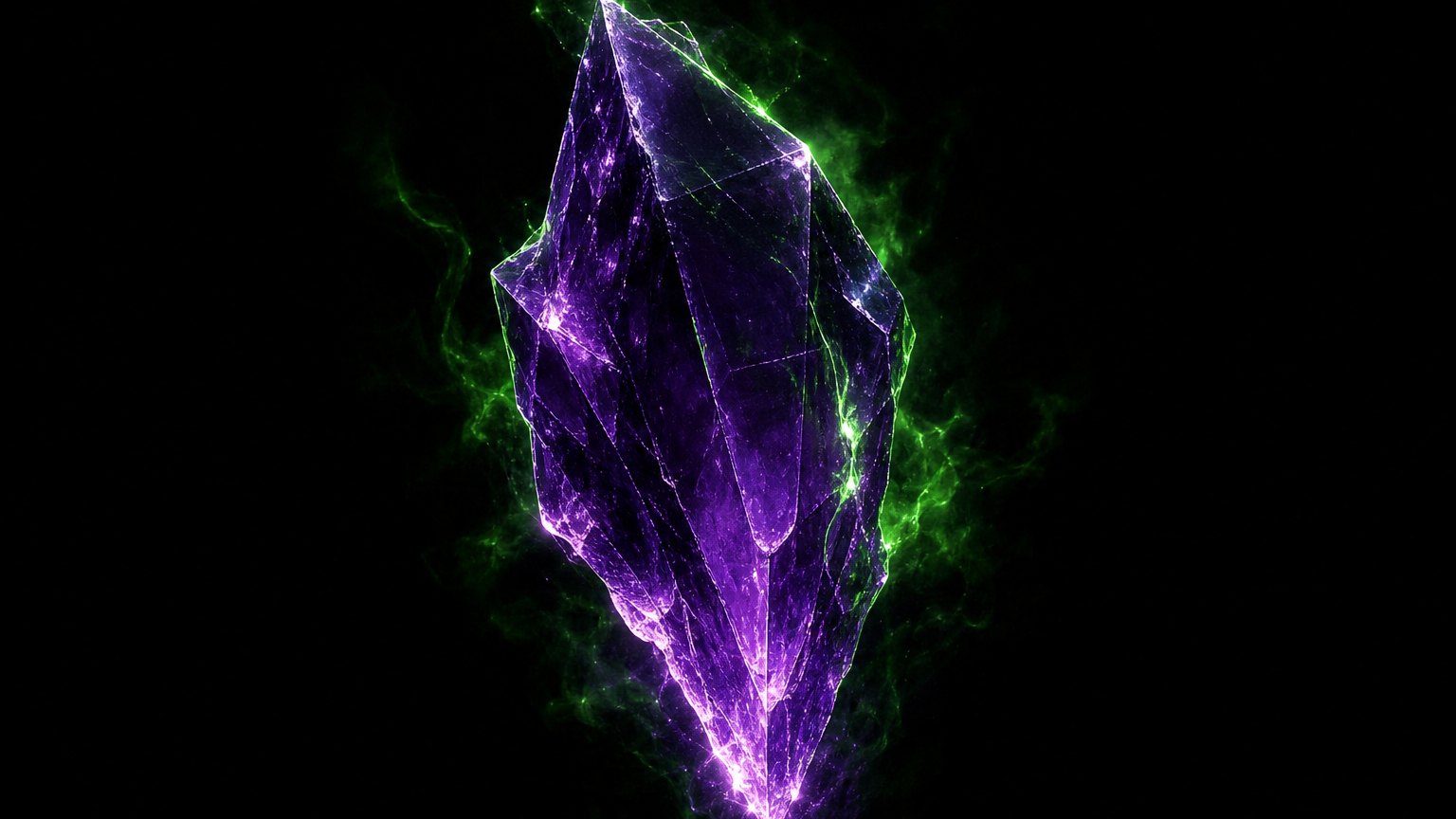
The crypto-horror subgenre just had its most visceral moment yet. Matt Radchenko, known online as @RadchenkoMatt, snatched the NFT titled 'compute pain' for 30 XTZ on objkt.com. The horror isn't just the price tag; it's the fact that he outbid Dazzly_Dreams. For the uninitiated, that means someone else's hope of ownership was literally sold off. The item itself is called 'compute pain,' a title that reads like a glitch in the matrix. We don't know exactly what the visual is, but the name alone is doing half the scary work. It feels like a digital ghost trapped in a smart contract. The transaction was public, visible on the blockchain, meaning the world watched one collector lose out to another. This isn't just a sale; it's a ranked hierarchy of who wanted the item more. Radchenko won. Dazzly_Dreams lost. The score is 30 XTZ, which in horror terms is a low-stakes nightmare, but in NFT terms, it's a very specific, very public loss.
5 Things That Make This Sale Creepier Than It Looks
1. The title is literally a glitch phrase. 'Compute pain' sounds like an error message from a dying mainframe. It’s not a name; it’s a symptom.
2. The bid war was public. On objkt.com, the auction is transparent. The loser doesn't get to hide. The world saw Dazzly_Dreams get outbid. That public humiliation is a core horror trope: the crowd watching you lose.
3. The price is small enough to be dismissible, which makes the drama feel disproportionate and thus more eerie. 30 XTZ is not life-changing money, but the emotional weight is heavy.

4. The buyer's handle, RadchenkoMatt, is a personal brand. He didn't win anonymously. He won under his own name, stamping his identity onto the 'compute pain' artifact.
5. The artifact is an NFT. It exists only as data. You can't hold it, you can't burn it, you can't bury it. It just sits in a wallet, a digital scream frozen in time.
Is this a big deal? In the grand scheme of horror, maybe not. But in the micro-universe of niche digital collectibles, a 30 XTZ win over a rival is a small, sharp sting. The horror is in the specificity: a named winner, a named loser, a titled artifact that sounds like a system error, and a public record that never forgets. The feed doesn't sleep, and neither does the blockchain.
Comments (5)