Robert Eggers is back to ruin our sleep schedules, and this time, he is stripping away all color to do it. The director’s latest project, Werwulf, has unveiled its first official poster, and if you thought his previous period horrors were bleak, think again. This isn’t just black-and-white; it is a calculated assault on the senses. Distributed by Focus Features and arriving in theaters on December 25, 2026, the film is already shaping up to be the most visually disturbing entry in the modern horror canon.
1. The Aesthetic Is Aggressively Uncomfortable
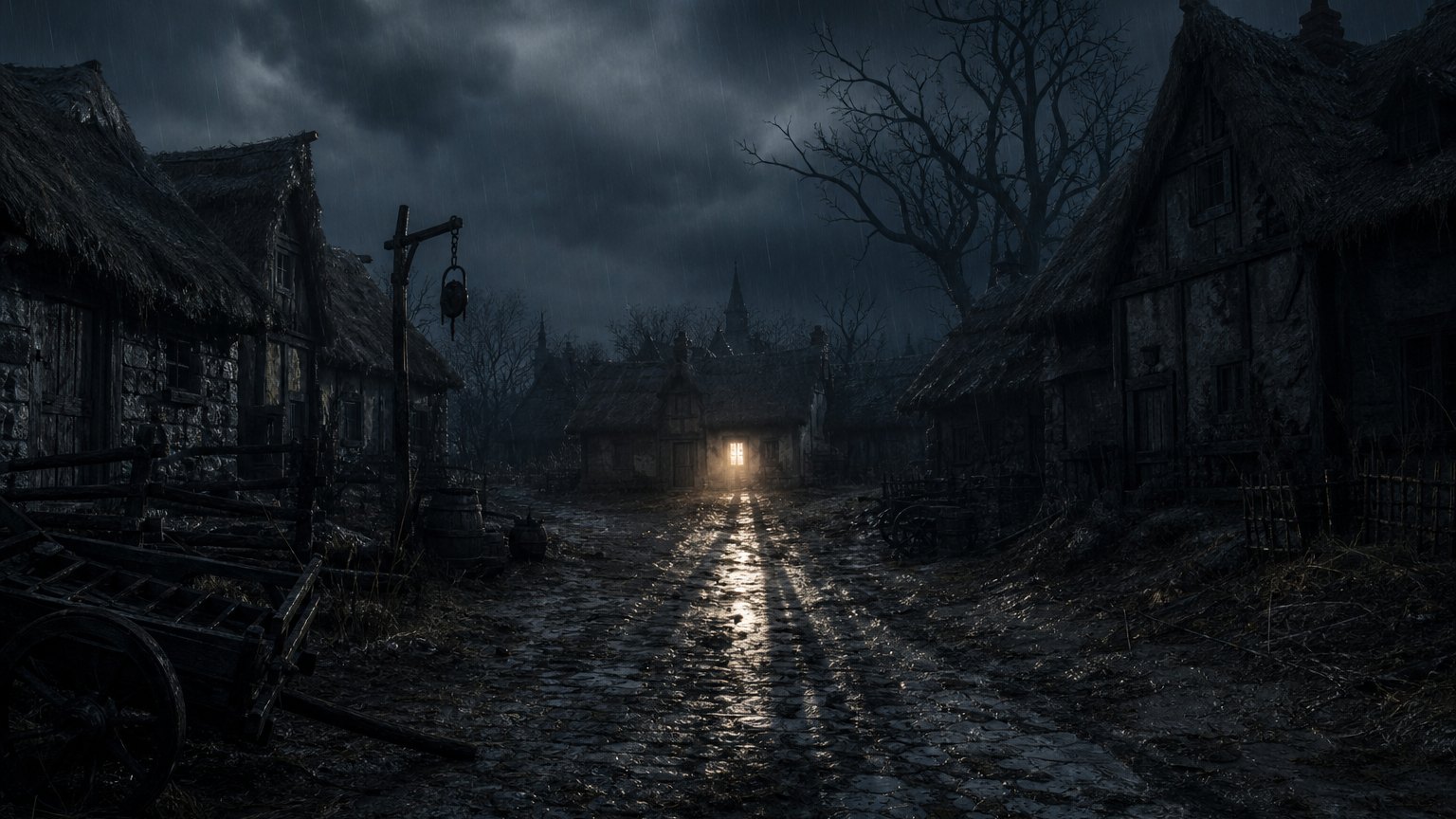
Let’s talk about the visuals, because that is where Eggers truly flexes. The film utilizes 35mm film stock with a specialized orthochromatic post-production treatment. The goal? To make skin tones appear sickly or discolored. It is not a nostalgic homage to old cinema; it is a weaponized aesthetic designed to make the audience feel physically uneasy. By incorporating the grain structure of black-and-white film onto color footage, Eggers has created a unique, haunting texture that no digital filter could ever replicate. The new poster, featuring the tagline 'Devoureth All Mankynde', showcases the creature in a classic horror visual style, but the context makes it feel entirely fresh and terrifying.
2. The Cast Is Ready To Suffer
You cannot have a story about devotion and damnation without a cast willing to lose their minds. The lineup includes Aaron Taylor-Johnson, Lily-Rose Depp, Willem Dafoe, Ralph Ineson, and Bodhi Rae Breathnach. These are not actors who shy away from the grotesque. Set in 13th-century England, the plot follows a mysterious creature stalking the land, turning local folklore into a terrifying reality. With Eggers describing the project as the darkest script he has ever written, you can expect these performers to deliver performances that are as raw as the visual style is stark.
3. Folklore Is Dead; Long Live The Monster
Eggers has always had a knack for digging into the darkest corners of human history, but Werwulf pushes the boundaries further. The themes of inner evil and damnation are not just backdrop; they are the engine of the narrative. The poster hints at a creature that is more than just a beast—it is a manifestation of societal decay. In an era where horror often relies on jump scares and gore, Eggers is betting on atmosphere and dread. He is betting that you will be more terrified by a sickly, grainy figure lurking in the shadows than by any practical effect.
4. The Release Date Is A Statement
Choosing Christmas Day, 2026, for the release is a bold move. It suggests that Eggers wants this film to be the uninvited guest at the family dinner table. It is a film that demands to be seen on the biggest screen possible, in the dark, with no distractions. The stark black-and-white poster is a promise that the movie will be a visceral, unrelenting experience. It is not a film for the faint of heart; it is a film for those who crave the deepest, darkest pits of horror.

Comments (7)