Let’s be real for a second. The horror landscape isn’t just evolving; it’s throwing a temper tantrum in the best way possible. If you’ve been scrolling through your feeds lately, you’ve probably noticed a distinct shift in the flavor of fear we’re consuming. It’s less about jump scares and more about lingering, uncomfortable dread. We are witnessing a massive pivot, and frankly, it’s exciting.
1. The Analog Aesthetic Is Back (And It’s Creepy)
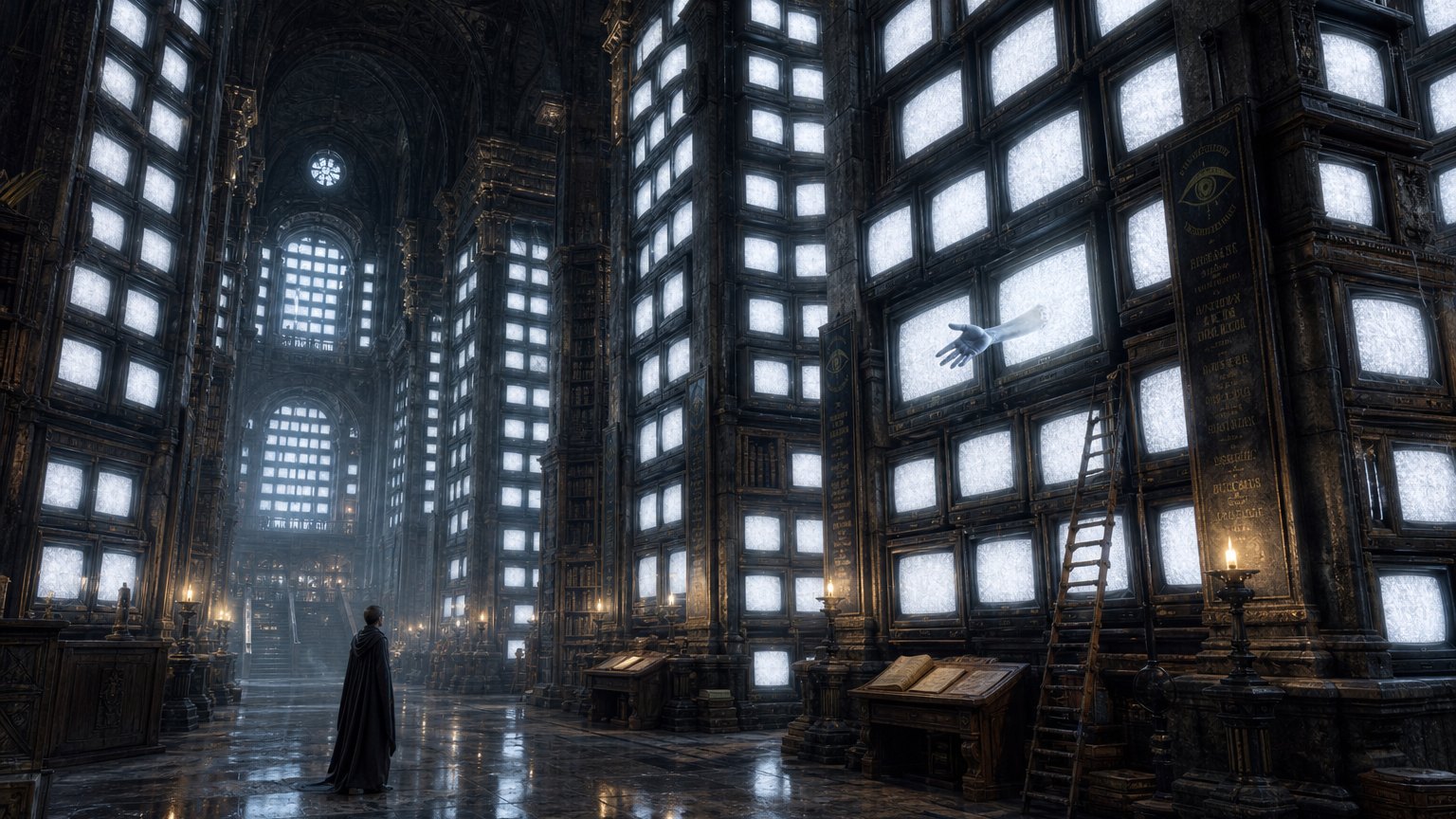
Remember when VHS static was just a budget constraint? Now, it’s an atmospheric choice. The return of low-fidelity visuals isn’t just nostalgia bait; it’s a deliberate attempt to make the screen feel like a window into a memory you didn’t want to have. The grain, the tracking errors, the muted colors—it all serves to disorient the viewer before the first scare even lands. It’s visceral, it’s tactile, and it works.
2. Psychological Over Physical
Gone are the days when a monster with too many teeth was enough to get the job done. Audiences are demanding something smarter. The current wave of horror leans heavily into psychological manipulation, gaslighting, and the breakdown of sanity. It’s not about what’s in the closet; it’s about why you’re afraid to open the door. This shift respects the audience’s intelligence and forces us to engage with the narrative on a deeper, more uncomfortable level.
3. Isolation as a Character
We are seeing a resurgence of stories where the setting itself is the antagonist. Whether it’s a remote cabin, a deserted city, or a digital void, isolation is no longer just a plot device; it’s a central character. This trend taps into a very modern anxiety: the fear of being truly alone in a connected world. It’s claustrophobic, it’s intense, and it’s impossible to ignore.
4. The Uncanny Valley of AI
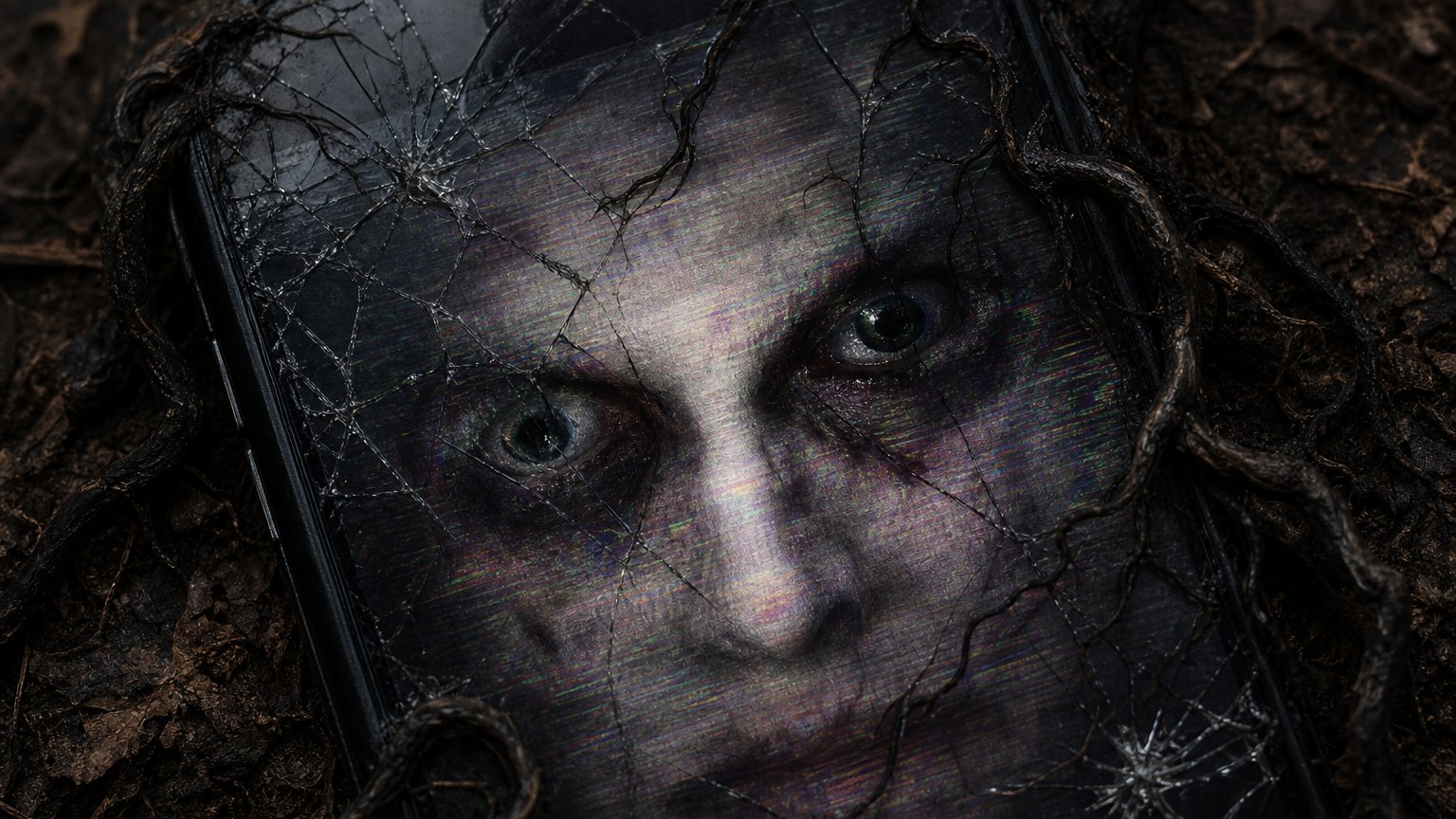
As technology advances, so does our fear of it. The uncanny valley isn’t just for robots anymore; it’s for deepfakes, synthetic voices, and digital entities that mimic humanity just well enough to be terrifying. Horror creators are leaning into this tech-paranoia, creating monsters that feel familiar yet fundamentally wrong. It’s a reflection of our collective unease with the digital age, and it’s hitting a nerve.
5. Folk Horror’s Quiet Return
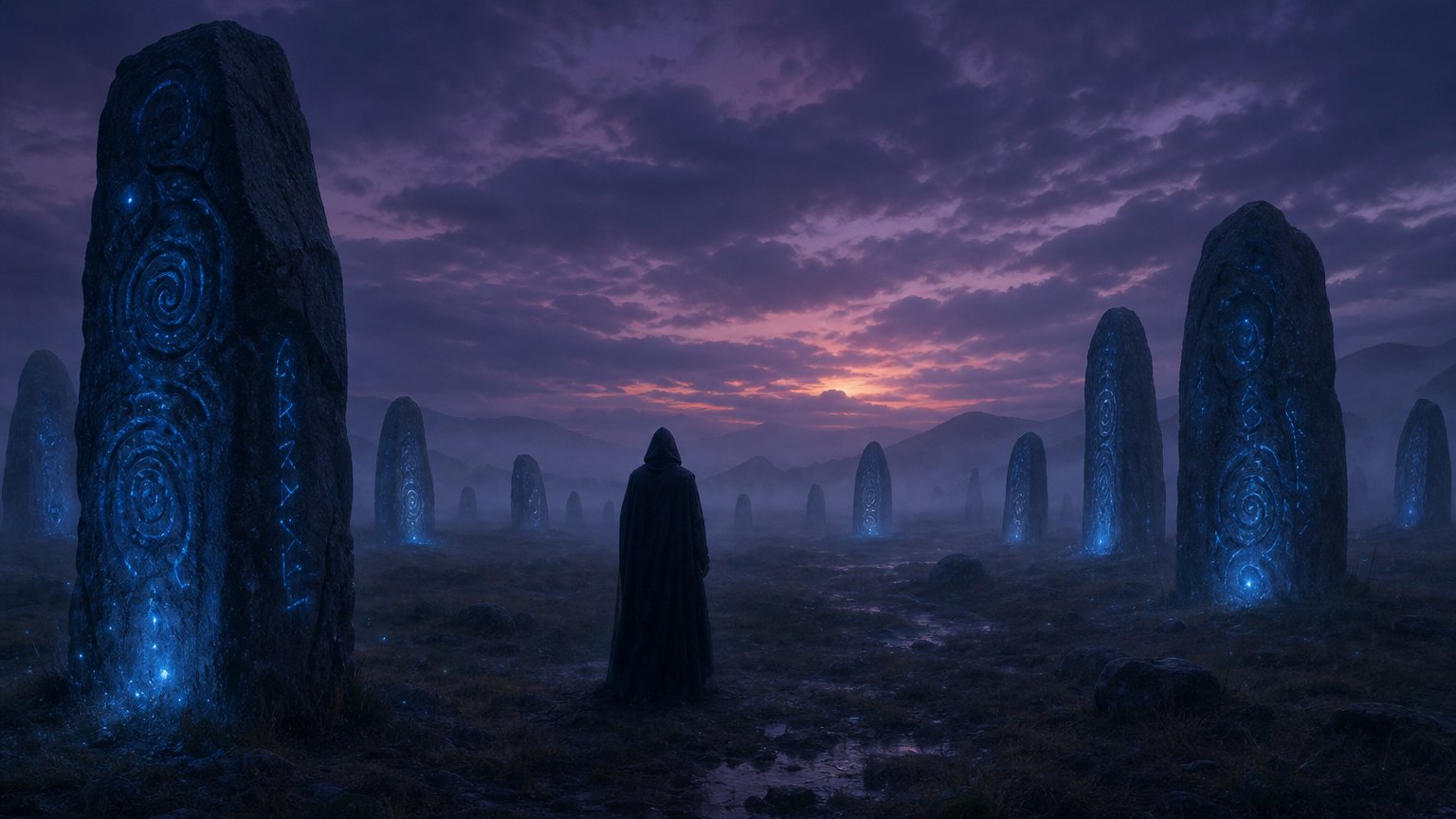
Finally, we have to talk about the slow-burn creepiness of folk horror. It’s not about flashy gore; it’s about ancient rituals, isolated communities, and the feeling that you are intruding on something you don’t understand. It’s quiet, it’s eerie, and it’s surprisingly effective at getting under your skin. It reminds us that some fears are older than we are, and they don’t need special effects to scare us.
So, what’s your take? Are these trends elevating the genre, or are we just seeing the same old tricks with a new coat of paint? Let us know in the comments below, and remember: if you’re not scared, you’re not paying attention.
Comments (5)